Pediatric Speech & Feeding Therapy
Play Based • Evidence Informed • Family Centered
Communication for Every Kind of Mind
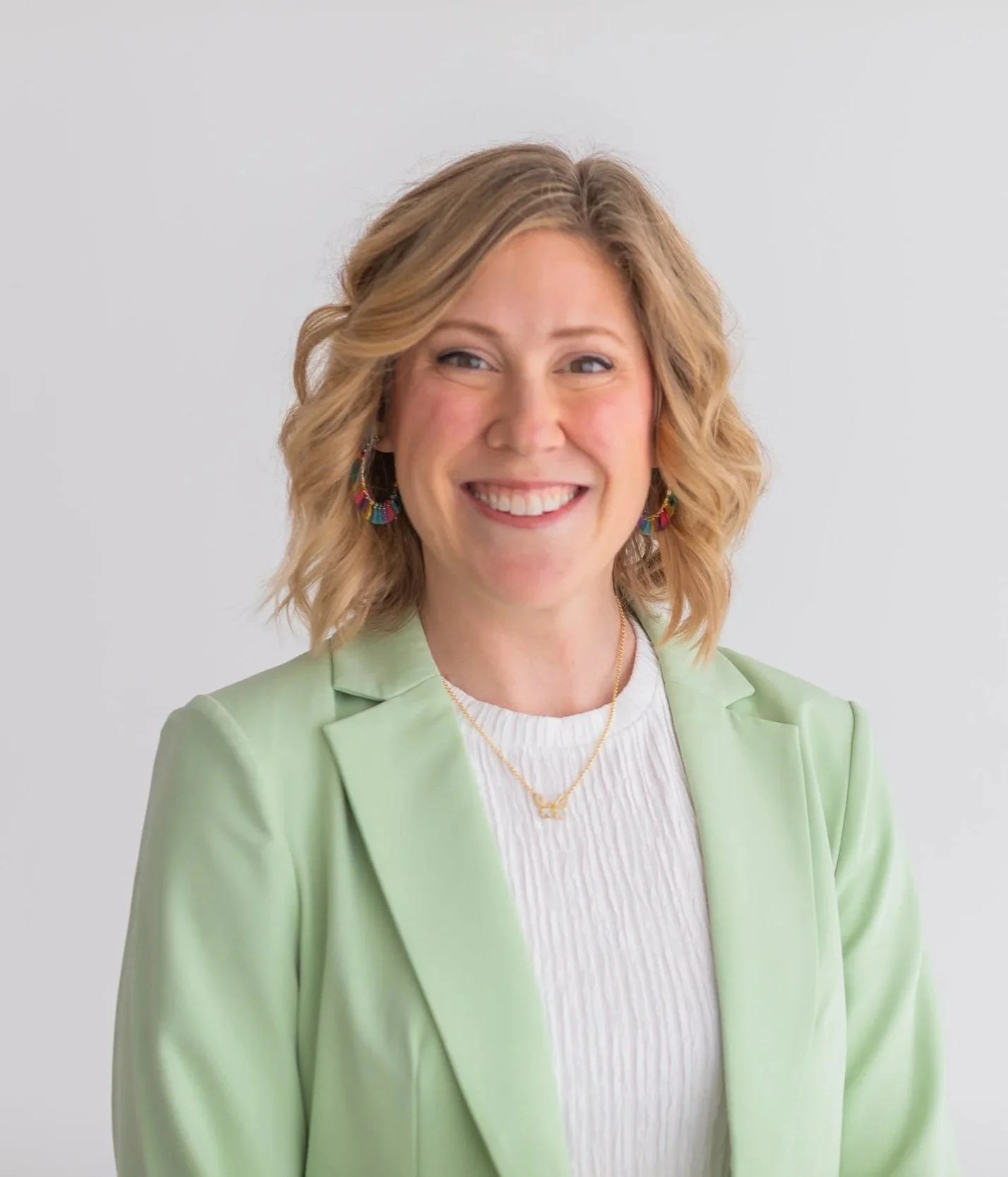
Meet Kacee
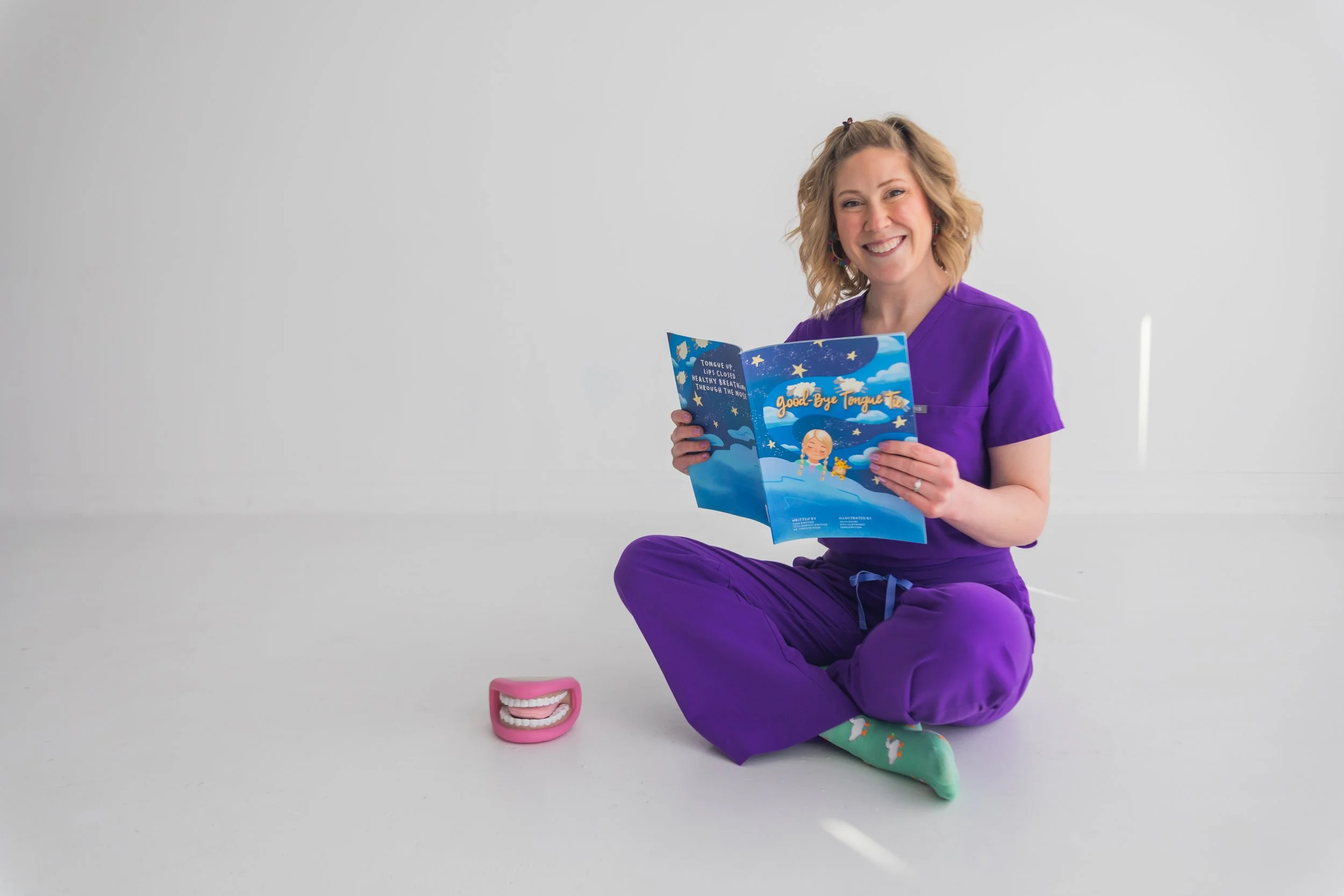
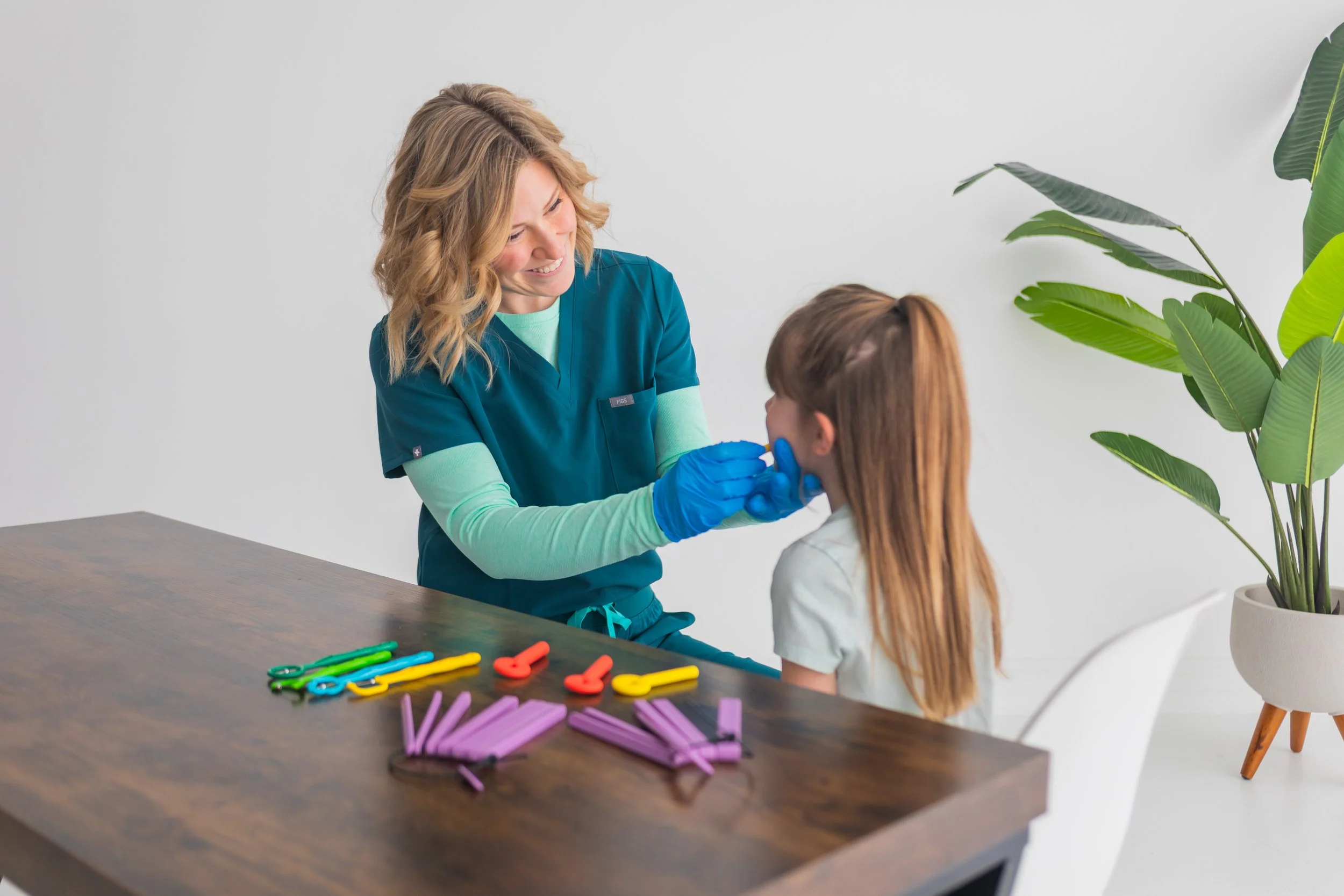
I’m a pediatric speech-language pathologist serving children and families across North DFW. I specialize in speech sound development, pediatric feeding therapy, and orofacial myofunctional concerns.
I’ve long been drawn to the relationship between structure and function — how the tongue, jaw, and lips coordinate for speech and feeding, how oral rest posture develops, and how early patterns influence long-term outcomes.
I believe therapy should be calm, purposeful, and grounded in evidence. Structured, but never rigid. Families deserve clarity, collaboration, and a treatment plan that is both thoughtful and practical.
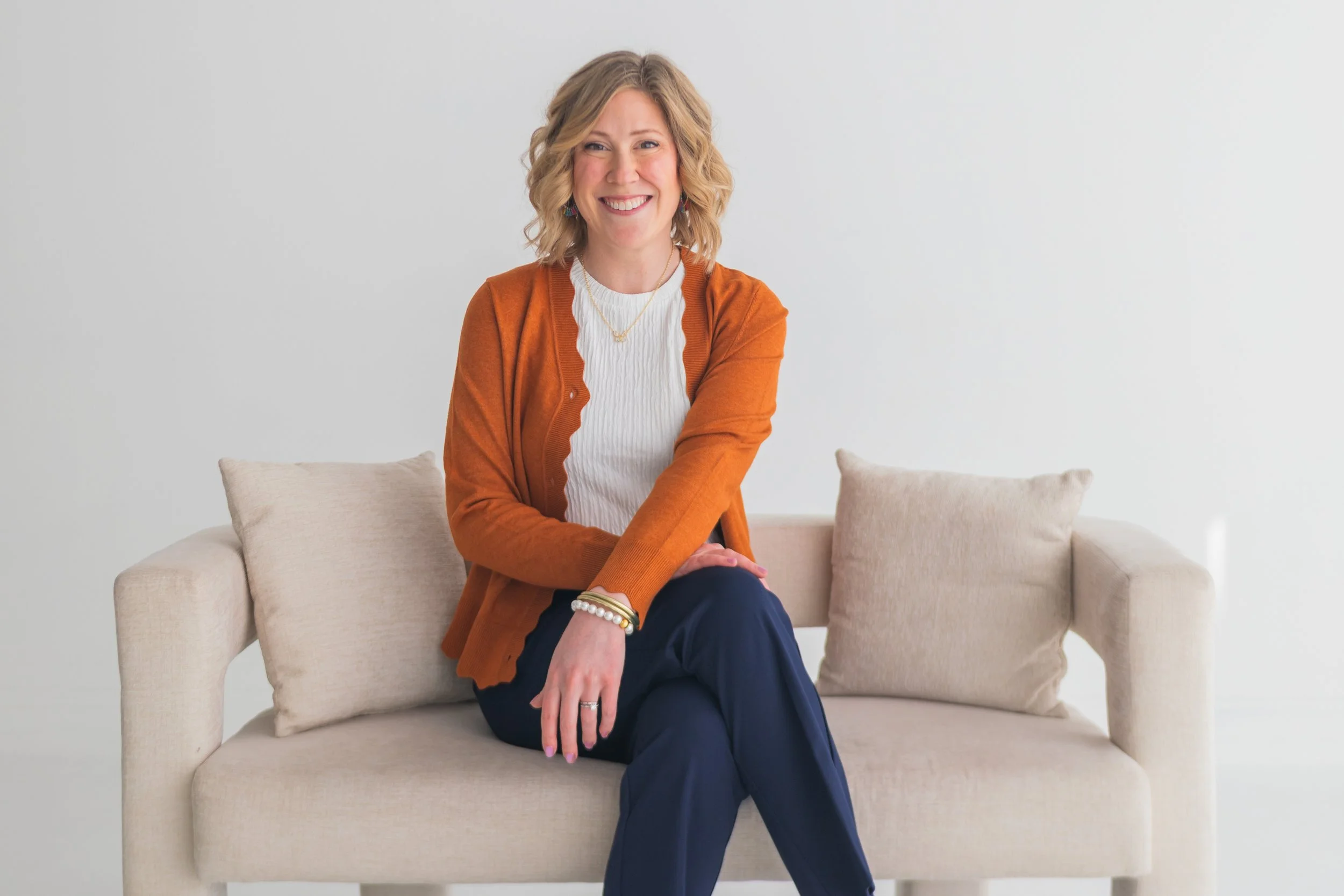
Outside of the clinic, I’m a mother to two amazing girls and a wife to a DFW native. Much of my time outside of work is spent building Legos, reading, and cheering from the sidelines at my daughters’ events.
Being a parent shapes the way I practice. I understand the balance families are trying to maintain — wanting meaningful support for their child while protecting their time, energy, and sense of normalcy.
Therapy should support your family’s life — not overwhelm it.
A Whole-Child Perspective
Speech and feeding are not isolated skills. They are influenced by oral structure, muscle coordination, motor planning, sensory experiences, and habitual patterns such as oral rest posture.
When we evaluate a child, we are looking at:
How speech sounds are produced and coordinated
How the tongue, lips, and jaw function together
Oral rest posture and habitual patterns
Chewing and swallowing efficiency
Functional communication in everyday environments
This broader lens allows us to address underlying patterns — not just surface symptoms — and create meaningful, sustainable progress.

Clinical Focus Areas
Families often seek support for:
Articulation and Speech Clarity
Oral Phase Dysphagia
Deaf and Hard of Hearing Communication
Tongue Thrust and Orofacial Myofunctional Differences
Phonological Disorders
Late Talkers
Social Communication
Picky Eating vs. Pediatric Feeding Disorder
Early Language Development
Each plan of care is individualized, evidence-informed, and built around measurable goals. Progress is intentional — and collaborative.
What Therapy Feels Like Here
Therapy here is:
Individualized
Goal-driven
Developmentally appropriate
Parent-inclusive
You won’t find generic programs or unnecessary complexity. You’ll find thoughtful sessions designed around your child’s needs — with practical strategies that translate into daily life.
Parents are not observers in the process. They are partners.

Our Values
-

Clarity
Families should understand what we are working on and why.
-
Integrity
Care decisions are guided by evidence, ethics, and long-term function.
-

Collaboration
Parents and, when appropriate, other professionals are part of the team.
-
Thoughtful Care
No rushed evaluations. No one-size-fits-all therapy. Just intentional, individualized support.